
We offer special intraocular lenses so you won’t need reading glasses if you’ve already had cataract surgery.
Cataract Surgery
If you are over 50, answer these questions to find out if you have cataract symptoms:
- Is your vision blurry, worse at night or when it’s very sunny?
- Do you find it difficult to drive at night or see things you used to see?
- Has your vision changed with glasses?

What are the Cataracts?
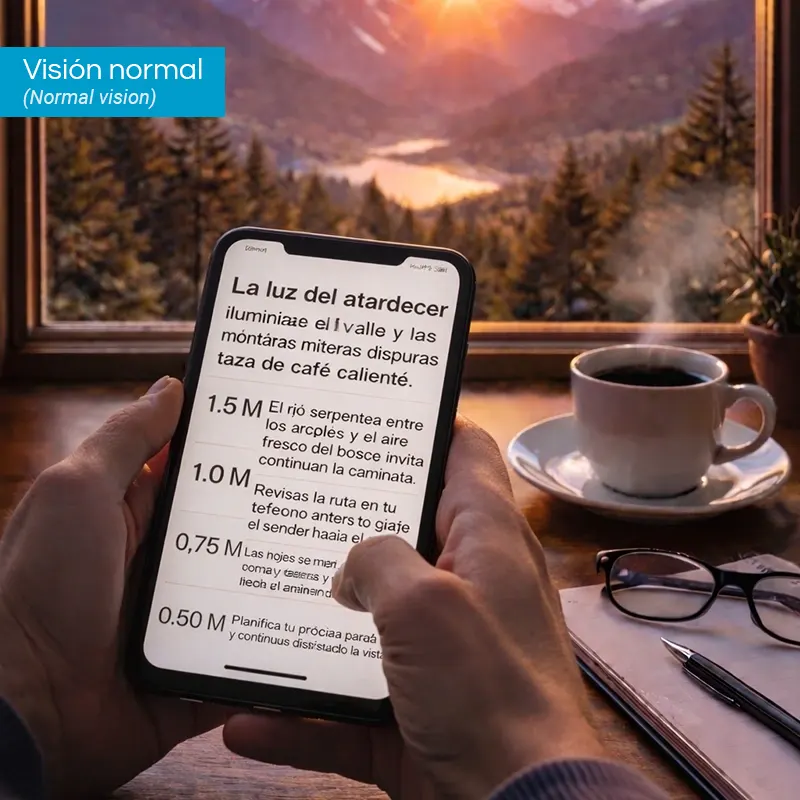
Cataract is a clouding of the crystalline lens that prevents light from reaching the retina. It generally occurs with age, although occasionally it can appear in people under 50.
If you have cataracts, you may not feel safe driving, reading, or in bright or dark conditions. Initially, cataracts may only appear as a change in your eyeglass prescription, but they gradually cause blurred vision.

Why do cataracts occur?
Cataracts are the leading cause of vision loss and blindness worldwide. They are related to age and other conditions such as diabetes mellitus, steroid medication use, eye trauma, and inflammation. If left untreated, they progress to blindness.
What does cataract surgery involve?
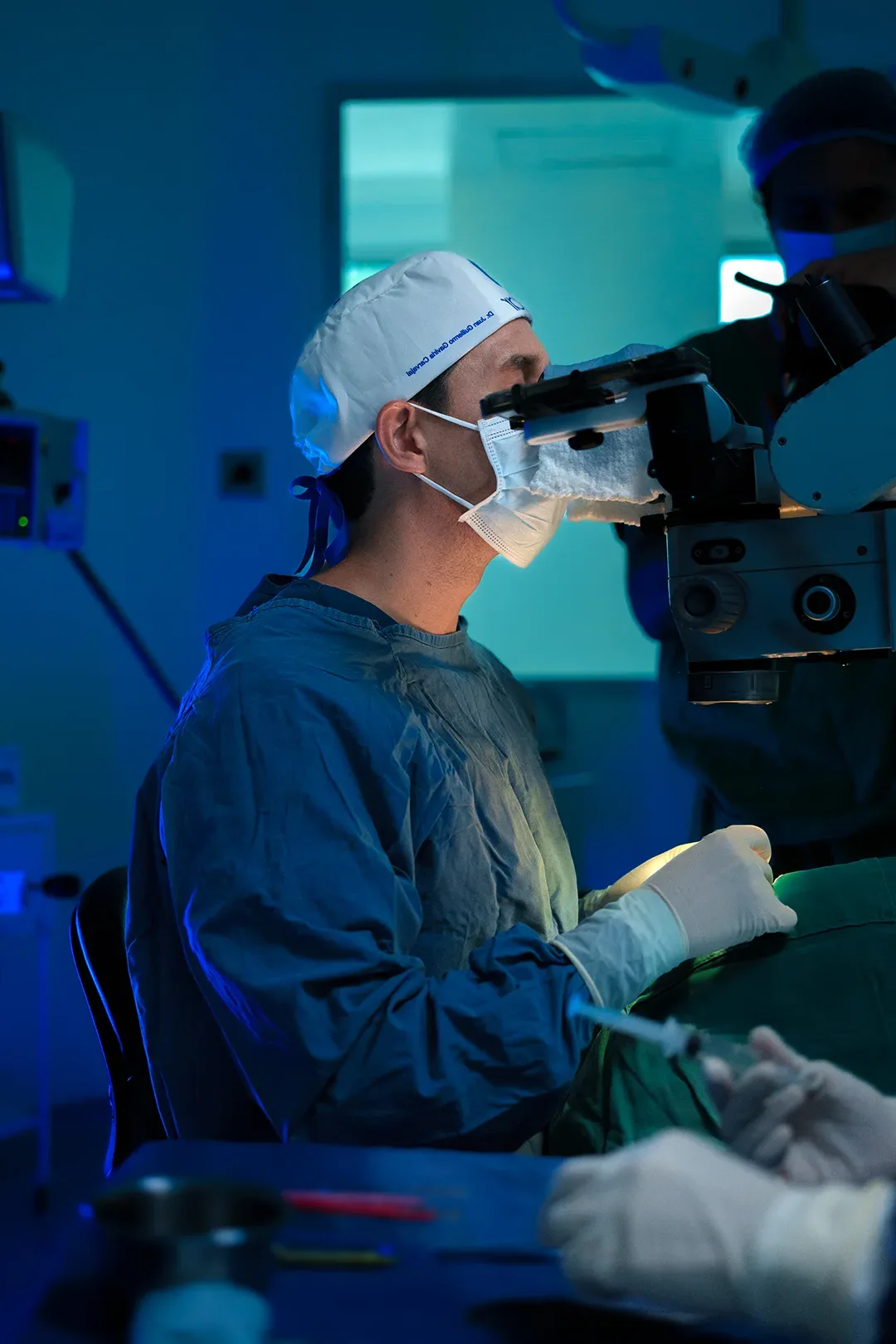
During cataract surgery, the specialist makes a small incision through which the lens is removed using an ultrasound device (phacoemulsification). An intraocular lens is then implanted, allowing light to pass through and restoring the patient’s vision.
How to choose an intraocular lens?
Currently, the range of lenses available is enormous: They vary in country of origin, optical design, filters, etc. But for practical purposes, we can say that there are four types of intraocular lenses:
Monofocal lenses
These improve distance vision but require the patient to wear glasses for near vision. If a single-vision lens is implanted and the patient has astigmatism, vision will remain blurry unless glasses are worn for both distance and near vision.


Toric lenses
If you have astigmatism, these lenses can correct it. However, you will still need glasses for near vision.
Monofocal and toric lenses

Multifocal lenses
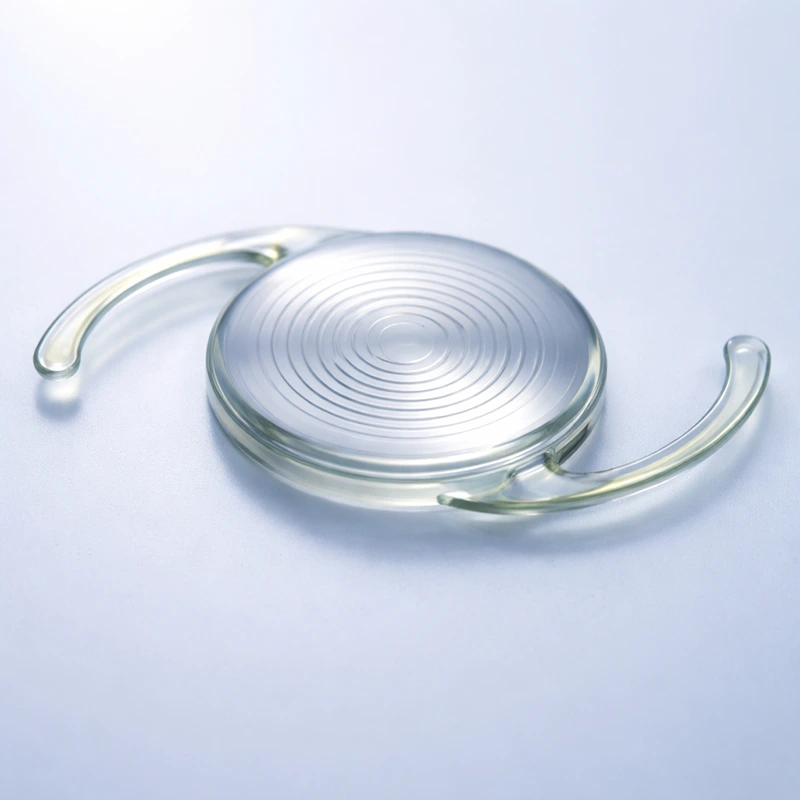
These lenses allow you to see clearly without glasses for both near and far vision. They are ideal for healthy eyes to ensure optimal performance.

Lenses (EDOF)
These lenses combine visual quality with independence from glasses, with a slight limitation in near vision. They are recommended for patients with dry eye or other eye conditions.
If I’ve already had cataract surgery, can they give me an intraocular lens so I don’t have to wear glasses?
The answer is YES! We offer special intraocular lenses so you won’t need reading glasses if you’ve already had cataract surgery. These lenses are placed over the previously implanted intraocular lenses, in the sulcus. Their multifocal design allows the patient to improve their near vision without glasses.
Schedule your appointment
If you want to SEE YOUR LIFE WITHOUT GLASSES, it’s essential to choose an experienced surgeon, so please fill out the following form:
”I'm very satisfied. I'm really happy. It's so rewarding to wake up and be able to see the light of day and everything clearly, and to be able to recognize people from a distance.”

